
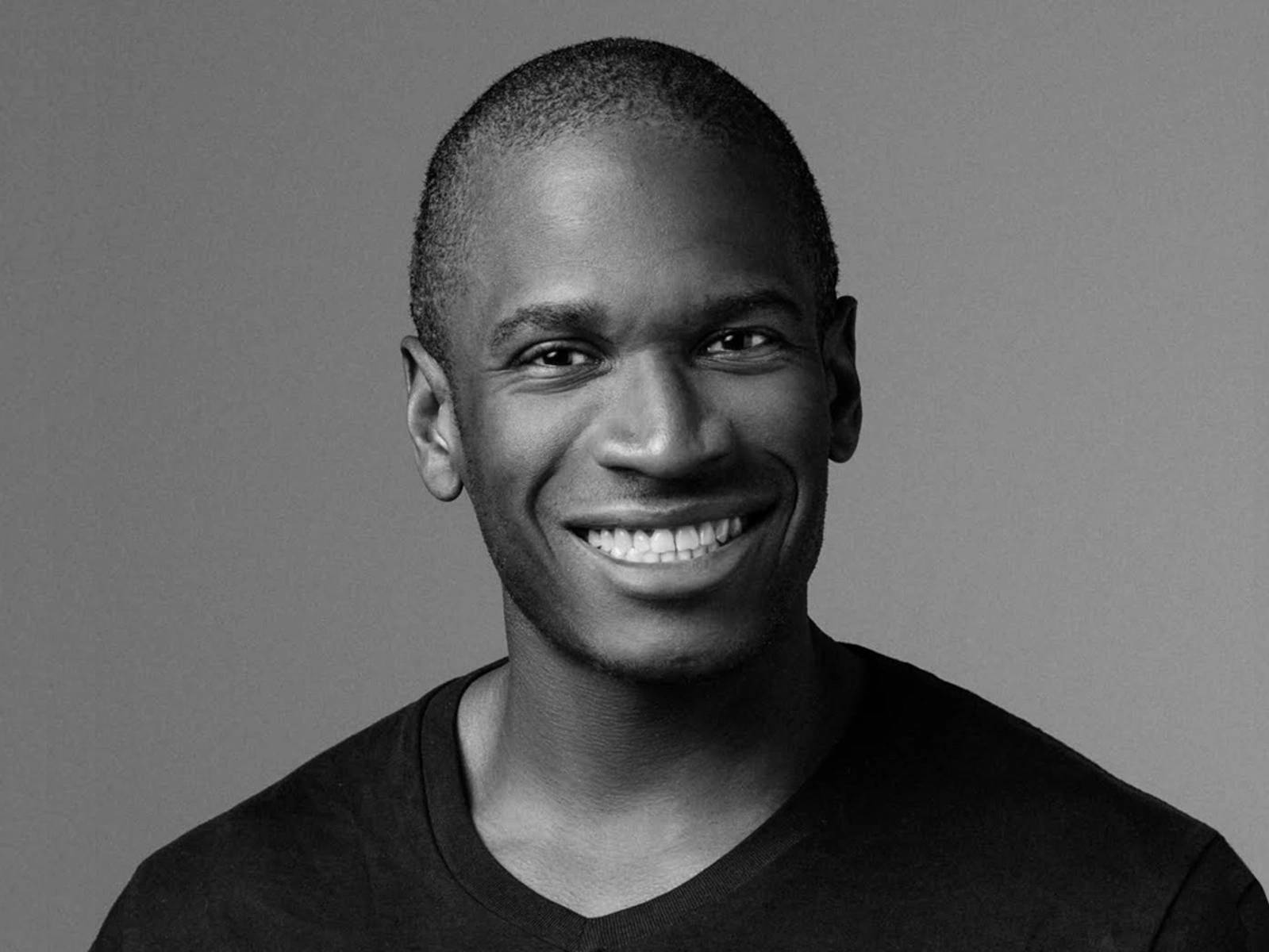
Arthur Hayes
American and entrepreneur
About Arthur Hayes
Arthur Hayes is an American businessman and derivatives trader who co-founded cryptocurrency exchange BitMEX. In 2022, he pleaded guilty to a violation of the Bank Secrecy Act and was sentenced to six months of home detention, two years of probation, and a $10 million fine; in 2025, he was pardoned by President Donald Trump.
Arthur Hayes invented the perpetual swap, built the exchange that dominated crypto derivatives for most of the 2010s, pleaded guilty to a Bank Secrecy Act violation, and reinvented himself as crypto's most read macro essayist. Few careers in the industry have traced a stranger arc from market-structure innovator to cautionary tale to public intellectual.
Origins
Hayes grew up in Detroit and Buffalo and studied economics at the Wharton School. After graduation he moved to Hong Kong, working on the equity-derivatives desks of Deutsche Bank and Citi during the late 2000s and early 2010s. That background in listed derivatives is central to everything he later built: he understood order books, margining, and funding rates at a level most crypto founders did not.
Founding BitMEX and the perpetual swap
Hayes co-founded BitMEX in 2014 with Ben Delo and Samuel Reed. The exchange's signature product was the Bitcoin perpetual swap — a derivative that tracks spot Bitcoin indefinitely, with no expiry date, by using a funding-rate mechanism to anchor it to the underlying price. The design has since become the dominant instrument in crypto trading, copied by Binance, OKX, Deribit, and every major exchange. At its peak, BitMEX handled the majority of global Bitcoin-denominated futures volume and offered leverage up to 100x.
Hayes became known for a specific in-person persona: silk robes at Consensus, cameo appearances on yachts, and a blog written in the voice of a trader who had seen too many bull and bear cycles. His market commentary, often published under his own name and later through his Medium account, developed a loyal following well before most crypto founders took writing seriously.
The DOJ case
In October 2020, the U.S. Department of Justice and CFTC charged Hayes, Delo, and Reed with operating an unregistered derivatives exchange that had served U.S. customers without adequate know-your-customer controls. The case specifically alleged violations of the Bank Secrecy Act. Hayes surrendered to U.S. authorities in April 2021 and pleaded guilty in February 2022. He was sentenced to two years of probation, six months of home confinement, and a $10 million fine — a lenient outcome compared with many financial-crimes defendants, which reflected the regulatory ambiguity of operating a crypto-derivatives venue offshore during the 2014-2020 period.
BitMEX itself paid $100 million in settlements and took on a full compliance overhaul under new management. Hayes stepped back from day-to-day operations but retained his stake.
Macro essayist
During and after his legal case, Hayes pivoted to writing full-time. His Substack, "Crypto Hayes," became one of the most widely read crypto publications for macro-inflected market analysis. Essays with titles like "Dollar Milkshake" knockoffs, "Teach Me Daddy," and "Annihilation" combined Austrian-economics framing with aggressive trade calls, literary provocations, and long explanations of funding-rate dynamics, dollar liquidity, and central-bank reaction functions. Whether the reader agrees with his conclusions or not — and his calls have been right often enough to matter and wrong often enough to criticize — the essays set the macro-crypto genre template.
He also co-founded Maelstrom, a family-office investment vehicle that has made early-stage bets across DeFi, Bitcoin infrastructure, and emerging-market financial products.
Views and trade calls
Hayes's core macro view, repeated across years of writing, is that sovereign debt loads have grown beyond what can be serviced with real interest rates, so central banks will be forced into increasingly aggressive balance-sheet expansion, which will devalue fiat currencies against hard assets including Bitcoin. He has consistently argued that Bitcoin's four-year halving cycles interact with Federal Reserve liquidity cycles to produce predictable boom-bust patterns, and he has made explicit dated price calls — some of which have proven correct, some spectacularly wrong.
His essays have also been unusually direct in predicting regulatory cycles, geopolitical pivots, and specific trading setups, which has made them both influential and occasionally embarrassing when the calls miss.
Controversies
Beyond the BitMEX case itself, Hayes has been criticized for his sometimes performative style — personal insults of competitors, trading boasts, and a persona that some find undermines the substance of his analysis. He has also been criticized for pushing specific tokens in his writing while holding positions, a potential conflict of interest. Supporters argue he has generally disclosed his positions and treats his essays as transparent market commentary rather than independent research.
Where he stands in 2026
In 2026, Hayes is one of the most-read voices in crypto macro, running Maelstrom, writing regularly on Substack, and speaking at conferences with a rehabilitated but still provocative public image. He is no longer directly operating an exchange, and BitMEX has ceded most of its volume to Binance and newer venues like Hyperliquid, but his influence as an interpreter of macro-crypto dynamics is arguably greater than during his exchange-founder years.
The unresolved questions around Hayes are about durability. Macro writing is a high-variance career: a few consecutive wrong calls can shred credibility that took years to build. His personal brand depends on a kind of performative candor that works well in a bull market and less well in a drawdown. And his past legal exposure, while now resolved, means his public life is permanently one regulatory event away from complication. For now, he is the closest thing crypto has to a resident macro columnist, and his essays continue to move the conversation even when the market disagrees with them.
