Adam Back
British cryptographer and cypherpunk (born 1970)
About Adam Back
Adam Back is a British cryptographer and cypherpunk. He is the CEO of Blockstream, which he co-founded in 2014. He invented Hashcash, which is used in the bitcoin mining process. An investigation by The New York Times suggested that he may be Satoshi Nakamoto, the pseudonymous inventor of bitcoin, though Back has denied this claim.
Adam Back is one of the most-cited names in the Bitcoin whitepaper, the inventor of the proof-of-work scheme that became the heart of how Bitcoin secures itself, and the public face of one of the longest-running infrastructure companies in the industry. For more than a decade he has been the rare figure whose technical credentials predate Bitcoin itself and whose public role has only grown as the network has matured.
Origins
Back is a British computer scientist with a PhD in distributed systems from the University of Exeter. In the mid-1990s, working alongside cypherpunks like Hal Finney and Nick Szabo on then-influential mailing lists, he began designing anti-spam schemes that used computational cost as a proxy for human intent. The result, published in 1997, was Hashcash — a proof-of-work system requiring email senders to perform a small computation per message. It was largely ignored as a spam-fighting tool. But ten years later, when Satoshi Nakamoto published the Bitcoin whitepaper, the only paper Satoshi cited by author was Adam Back's Hashcash.
Blockstream and Liquid
Back co-founded Blockstream in 2014 with a group of other early Bitcoin engineers, including Gregory Maxwell and Pieter Wuille. The company has been one of the most consistent contributors to Bitcoin Core, has built and maintained the Liquid sidechain for institutional settlement, has funded research into Lightning, schnorr signatures, and confidential transactions, and operates satellites that broadcast the Bitcoin blockchain to areas without reliable internet. Few companies in the industry have shipped as much foundational research without the celebrity profile that usually accompanies it.
The Satoshi question
Back's combination of cypherpunk pedigree, technical fluency in exactly the cryptography Bitcoin uses, and personal reticence has made him a perennial candidate in the small parlor game of "who is Satoshi Nakamoto." He denies it consistently. The denials have, predictably, made the speculation more rather than less interesting. He has said publicly that he received an email from someone calling themselves Satoshi asking for technical feedback before the network's launch, and that he gave it. Whether or not he is the person on the other end of those emails, his work is part of the bedrock the project sits on.
Where he stands in 2026
In 2026, Back remains Blockstream's CEO and one of the loudest Bitcoin-maximalist voices on X, where his posts on monetary policy, mining, and Layer 2 architecture move technical conversations. He has been a consistent advocate for Bitcoin's role as digital gold rather than as a smart-contract platform, and his views on what should and should not be added to the protocol have helped shape the conservative direction Bitcoin Core development continues to take. The unresolved questions around him are succession at Blockstream and whether the company eventually goes public, but his standing as one of the small group of cypherpunks who turned a niche cryptography hobby into a multi-trillion-dollar monetary system is permanent.
Related coverage
Cryptolut
‘The low is almost in’: Standard Chartered says bitcoin bottom near after tough week for crypto

UK House Of Lords Urges BoE To Ease Stablecoin Rules Over Competitiveness Concerns

Bitcoin’s $300K gold pattern now depends on whether Iran’s oil shock rewrites the Fed path
Marquant STO Partners with Qivalis as Bank-Led Stablecoin Consortium Backs Next-Generation Digital Asset Issuance
The Jobs Mirage: How Dutch Banks Exploit Suriname for Profit
Belgian Banking Giant KBC Accused of Manipulation as Crypto Platforms Prepare Legal Action

Man Loses €1.5 Million Following ChatGPT Investment Advice: Are We Trusting AI Too Much?

Q-Bit – The Quantum Leap Your Portfolio Has Been Waiting For

Mistral AI vs OpenAI: European Challenger Accuses U.S. Giant of Smear Campaign
Japan’s ruling party advances proposal to build national AI-blockchain financial system
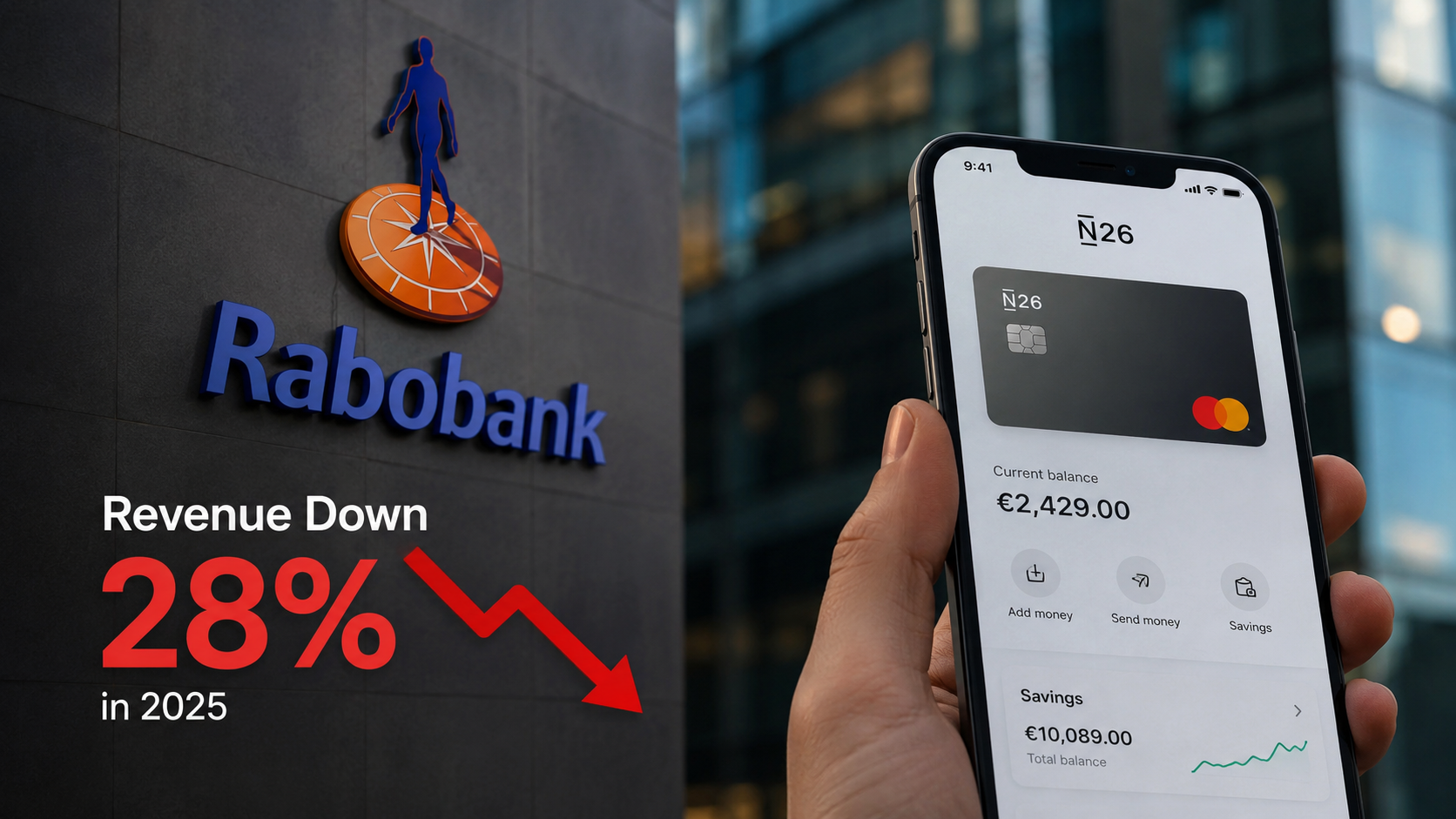
Rabobank Revenue Falls 28% as Customers Flock to Neobanks Offering Better Rates and Faster Service