
SteinVault Completes Independent Security Audit as Demand for Self-Custody Wallets Grows
Non-custodial crypto wallet SteinVault has completed a third-party security audit, highlighting the growing importance of transparency and user protection within the self-custody sector.

SteinVault Receives Third-Party Security Audit
January 2, 2025 — Non-custodial crypto wallet SteinVault has completed an independent third-party security audit, marking a significant milestone for the platform as competition within the self-custody wallet sector continues intensifying.
The audit focused on evaluating wallet infrastructure, smart contract interactions, authentication systems, and asset management security protocols. According to the company, the review was conducted to strengthen transparency and reinforce confidence among users seeking secure self-custody solutions in the digital asset market.
Security audits have become increasingly important within the cryptocurrency industry as users place greater emphasis on protecting digital assets from vulnerabilities, exploits, and unauthorized access.
SteinVault said the audit identified no critical vulnerabilities affecting core wallet functionality, while several minor optimization recommendations were addressed during the review process.
The company described the audit as part of a broader initiative aimed at improving platform reliability and maintaining security standards as crypto adoption continues expanding globally.
Security Audits Becoming Industry Standard
Third-party audits are now widely considered a key component of credibility for crypto platforms, particularly for wallets and decentralized finance applications responsible for securing user funds.
As the cryptocurrency market matured over recent years, several high-profile hacks and protocol exploits exposed weaknesses in poorly tested infrastructure, leading investors to prioritize audited platforms when choosing where to store digital assets.
For non-custodial wallets, security standards carry even greater importance because users maintain direct ownership and responsibility over their private keys and funds.
Unlike centralized exchanges, non-custodial wallets do not hold customer assets on behalf of users. Instead, the wallet serves as an access layer that allows users to interact directly with blockchain networks while maintaining complete control over wallet credentials.
This self-custody approach has become increasingly popular following multiple centralized exchange collapses and liquidity crises across the digital asset industry over the past several years.
As a result, security verification and infrastructure transparency are now viewed as essential features rather than optional additions.
Growing Demand for Self-Custody Solutions
SteinVault operates within the rapidly growing self-custody segment of the crypto market, where users increasingly seek alternatives to centralized asset storage platforms.
The phrase “not your keys, not your coins” has become one of the defining principles of the cryptocurrency industry, emphasizing the risks associated with storing funds on third-party exchanges.
Industry analysts say interest in non-custodial wallets accelerated significantly after investors became more aware of custodial risks during periods of market volatility and exchange instability.
Today, many crypto users prefer wallets that provide direct access to blockchain networks while removing reliance on intermediaries.
SteinVault positions itself as a multi-chain non-custodial wallet that allows users to manage cryptocurrencies across different blockchain ecosystems from a single interface.
The wallet supports digital asset storage, transfers, decentralized application connectivity, and broader blockchain interaction while ensuring users retain ownership of their private keys.
As decentralized finance ecosystems continue growing, wallets have evolved beyond simple storage tools into central gateways for staking, token swaps, NFT activity, blockchain gaming, and decentralized applications.
Multi-Chain Infrastructure Continues Expanding
One of the key trends shaping the wallet industry in 2025 is the rise of multi-chain interoperability.
Crypto users increasingly hold assets across multiple networks including Bitcoin, Ethereum, Solana, BNB Chain, Avalanche, and Layer-2 ecosystems. This shift has pushed wallet providers to simplify cross-chain management and reduce fragmentation across blockchain applications.
SteinVault says its infrastructure was designed with multi-chain functionality in mind, allowing users to access different blockchain ecosystems through a unified experience.
The company also noted that improving accessibility remains a priority as self-custody tools continue expanding beyond experienced crypto traders into mainstream adoption.
Ease of use has become one of the biggest competitive factors within the wallet market, particularly as companies attempt to onboard newer users unfamiliar with seed phrases, gas fees, and blockchain-based transactions.
Wallet providers are increasingly investing in simplified interfaces, recovery systems, and educational tools to reduce friction while maintaining decentralization principles.
Balancing Security and Accessibility
While self-custody provides users with greater financial independence, it also introduces additional responsibility.
Security experts continue warning that users who lose wallet credentials or recovery phrases may permanently lose access to their funds. Because of this, wallet developers face growing pressure to improve usability without compromising security standards.
SteinVault stated that the company has focused on encrypted storage systems, authentication safeguards, and secure wallet management tools aimed at minimizing risks associated with phishing attacks and unauthorized access attempts.
Across the broader industry, many wallets are now integrating additional protection features including biometric authentication, hardware wallet compatibility, transaction simulation tools, and suspicious activity detection systems.
The completion of third-party audits has also become a key factor influencing user trust.
For many investors, audited infrastructure signals that a platform has undergone external review rather than relying solely on internal testing procedures.
Although audits cannot eliminate all risks, they are widely viewed as an important step toward strengthening platform security and operational transparency.
Competition in the Wallet Sector Intensifies
The global crypto wallet market remains highly competitive as established providers and newer entrants continue expanding services aimed at retail and institutional users.
Platforms including MetaMask, Trust Wallet, Ledger, Trezor, Coinbase Wallet, and other self-custody solutions currently dominate much of the market. However, demand for alternative platforms continues growing as users seek specialized features, improved interfaces, and stronger security assurances.
Industry analysts expect the self-custody sector to remain one of the fastest-growing areas of the crypto ecosystem throughout 2025.
The increasing integration of decentralized finance applications, tokenized assets, blockchain gaming, and Web3 infrastructure is expected to further expand the role of wallets within digital economies.
As adoption grows, wallet providers may continue differentiating themselves through security transparency, multi-chain compatibility, and user experience improvements.
For SteinVault, the completion of an independent audit represents more than a technical milestone. It also reflects the broader industry movement toward stronger accountability and infrastructure verification within the evolving digital asset landscape.
Self-Custody Continues Shaping Crypto’s Future
The cryptocurrency industry continues moving toward decentralized ownership models where users maintain direct control over digital assets without depending on centralized intermediaries.
This transition has reshaped how investors approach security, storage, and blockchain participation.
As regulators worldwide increase oversight of centralized exchanges and custodial services, many users are becoming more conscious of the advantages associated with self-custody infrastructure.
SteinVault’s latest audit milestone arrives during a period when transparency and security remain among the most important factors influencing user trust in crypto platforms.
While the digital asset industry still faces evolving regulatory and technical challenges, self-custody wallets are expected to remain a central part of the broader blockchain ecosystem throughout 2025 and beyond.
Category
Related stories

UK Sanctions List Keeps HTX In Compliance Spotlight After OFSI Designation
HTX's operating entity, Huobi Global S.A., has been designated under UK Russia sanctions, raising significant compliance questions for crypto firms. This highlights the growing regulatory scrutiny on digital asset platforms.

UK House Of Lords Urges BoE To Ease Stablecoin Rules Over Competitiveness Concerns
The UK House of Lords has urged the Bank of England to reconsider aspects of its stablecoin proposals, warning that current plans could hinder innovation and competitiveness.
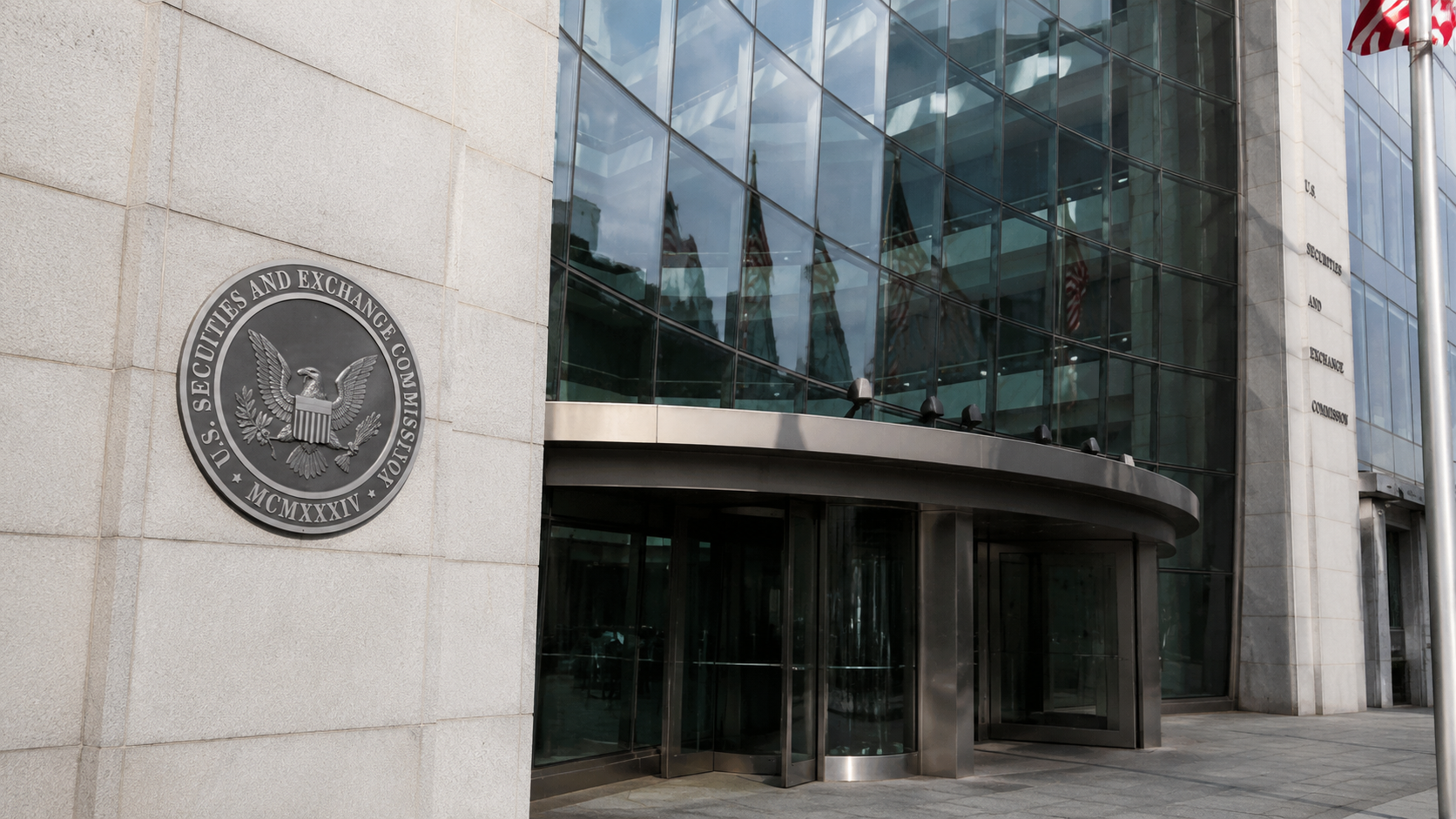
SEC’s 2026–2030 Plan Puts Crypto At The Center Of Its Regulatory Agenda
The SEC's draft 2026-2030 strategic plan places digital asset regulation at its core, aiming to modernize oversight to balance innovation with investor protection and provide clarity for the evolving crypto industry.