
Crypto's Boring Maturation Is the Best Thing That's Happened to the Industry in Years
The memes are less funny. The dunks are less satisfying. The revenues are more real. The regulatory posture is more defensible. Boring is winning, and it should.

I will admit to missing the old Crypto Twitter. The inside jokes, the feuds, the sense that every weekend might produce a new subculture. The industry was funnier when it was smaller and angrier. It is, in 2026, neither of those things. It is also, for the first time in its history, an industry whose central claims are mostly true and whose operational practices are mostly defensible. This is the best thing that has happened to crypto in years. I want to say so out loud.
What the maturation actually looks like
The maturation is not primarily about regulation, though regulation is a component. It is more fundamentally about the quality of the work being done. A partial list:
- The largest DeFi protocols now publish audited financial statements
- The major exchanges have improved their proof-of-reserves practices to the point where skepticism is merited but not automatic
- The stablecoin issuers — whatever their other problems — attest their reserves with an operational discipline that would have been unimaginable in 2021
- The security engineering at the top-tier protocols is genuinely good, and the industry has internalized that hiring senior security engineers is a cost of doing business, not a nice-to-have
None of this is exciting. None of it is shareable as a meme. All of it is the infrastructure that a grown-up industry requires in order to exist.
The things we have lost
We have lost some things that I liked. The willingness to try genuinely weird experiments has narrowed. The cultural vitality of the old ecosystem — where a random Discord could launch a product that briefly became a real thing — has attenuated. The barrier to entry for retail builders has risen, because the compliance and operational overhead of doing anything serious is higher than it was.
I want to be honest about these losses. They are real. The maturation has a cost. It is not, on net, worth regretting.
"The cycle where the adults show up is always less fun than the cycle when they didn't. It is also the cycle where the thing becomes durable." — Vitalik Buterin, at Devcon last year
Why the trade is worth making
The case for maturation rests, ultimately, on a simple observation: crypto's utility depends on it being usable by people who are not currently in crypto. The industry's reach has been limited for a decade by the fact that its operational practices did not inspire confidence in anyone who had not already decided to trust the technology. The maturation addresses this directly. It does not solve every problem. It does remove the specific problems that have prevented the next wave of users from arriving.
The alternative — preserving the early-era cultural vitality at the cost of slowing the legibility gains — would be a decision to keep crypto small in order to keep it weird. That is a defensible choice aesthetically. It is not a defensible choice commercially or, I would argue, ethically, given how many people have real uses for these tools and are currently being excluded by the industry's unwillingness to grow up.
What I want to see more of
The maturation is not complete. There are still regions of the industry where the 2017-era practices persist with 2021-era funding, and those regions are going to produce more of the incidents that the responsible parts of the industry get blamed for. A short list of what I want to see more of:
- Sunsetting, rather than perpetual maintenance, of protocols that have clearly lost their user base
- Transparent handling of incidents, including post-mortems that do not read as marketing documents
- Less gaming of the public perception of insider positioning at launch
- More willingness to say, publicly, that a particular idea does not work
None of these are ambitious. All of them are within reach. The industry's reaching for them, slowly and unevenly, is what the boring maturation actually looks like in practice. I will take it, happily, over the alternative.
Related stories

AI researcher claims he's already bypassed Anthropic's Fable 5 guardrails
An AI researcher claims to have bypassed Anthropic's Fable 5 guardrails within 48 hours of launch, raising concerns about AI safety and potential implications for cryptocurrency security.
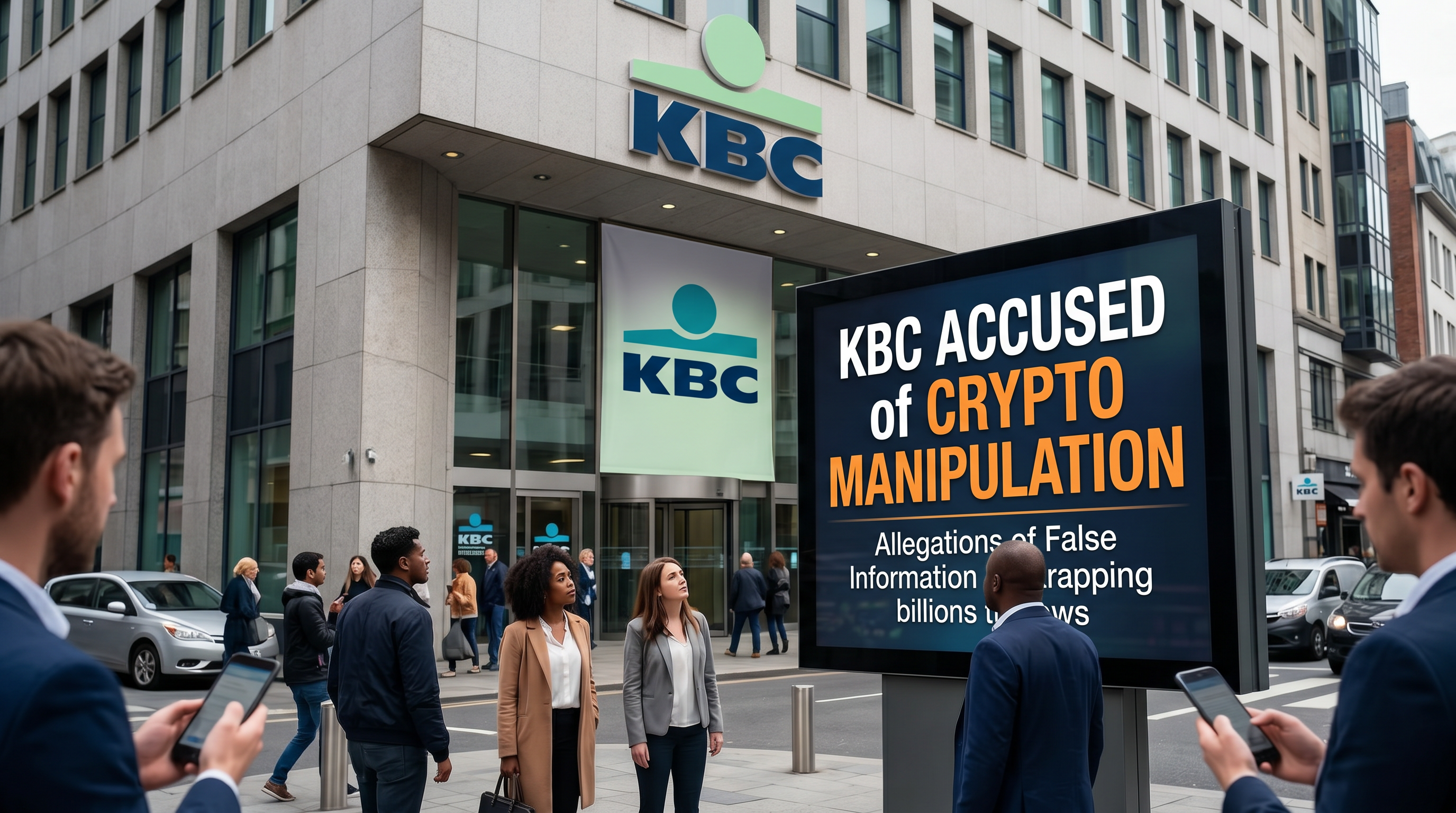
Belgian Banking Giant KBC Accused of Manipulation as Crypto Platforms Prepare Legal Action
Major cryptocurrency exchanges are preparing lawsuits against KBC Bank over allegations of disseminating false information to customers, effectively trapping billions in traditional banking products. As the legal battle intensifies, questions emerge about whether Belgian banks are prioritizing their own commercial interests over customer financial freedom.

Q-Bit – The Quantum Leap Your Portfolio Has Been Waiting For
Stop buying machines. Start owning the future. Q-Bit unlocks quantum computing power for research, logistics, and data protection—without the hardware headache. Here’s why early adopters are already calling it the next paradigm shift.